
The Importance of Boilers / Steam Generators in the Dairy Industry in Greece
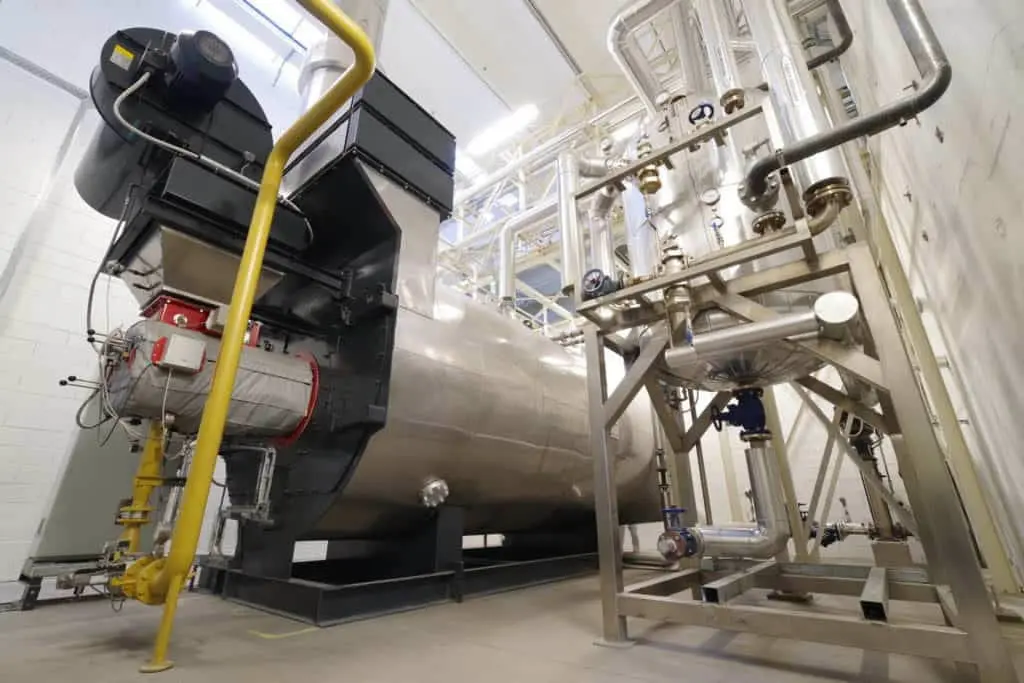
The production of dairy products—ranging from milk, cheese, and yogurt to powdered milk—requires specialized thermal processes and high operational reliability. At the heart of these processes are boilers and steam generators, which provide steam and heat for critical stages such as pasteurization, evaporation, drying, and cleaning of production lines.
What They Offer to the Dairy Industry
Pasteurization requires high-quality steam to destroy microorganisms and ensure the safety of the final product.
In the conversion of milk into powdered milk or condensed milk, steam-based evaporation and subsequent drying demand significant thermal capacity.
The cleaning and disinfection of systems (CIP — Clean-in-Place) rely on steam for the removal of residues and the maintenance of hygienic production lines.
Challenges and the Greek Reality
In the Greek dairy industry, the need for energy efficiency, lower operating costs, and compliance with strict quality standards makes boilers and steam generators critically important. According to international scientific research, the application of energy-saving technologies in steam systems can lead to significant reductions in consumption and steam losses.
Key Considerations for Greek Production Units
- Selection of high-efficiency boilers / steam generators, incorporating technologies such as economizers for heat recovery.
- Proper management of feedwater and condensate to prevent losses and corrosion.
- Ensuring stable steam operation to avoid fluctuations that could affect production or product quality.
- Compliance with safety requirements, emissions control, and energy efficiency standards, strengthening the sustainable operation of the facility.
Conclusion
For Greek dairy industries, investing in modern steam systems—efficient, reliable, and well maintained—is not merely a technical choice but a strategic decision. It delivers improved production performance, lower operating costs, enhanced product quality, and alignment with environmental requirements.
Sources:

