
The Importance of Chemical Additives in Feedwater for Boilers and Steam Generators
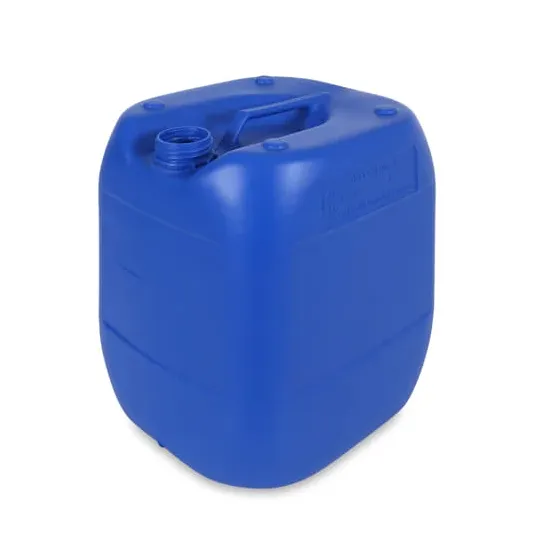
The quality of feedwater is a decisive factor for the safe and efficient operation of every boiler or steam generator. If the water is not properly pre-treated and chemically conditioned, it can cause corrosion, scale formation, and the buildup of deposits, dramatically reducing the efficiency and service life of the equipment.
For this reason, special chemical additives are used to regulate the composition of the water, improve its properties, and ensure stable and safe boiler operation.
⚗️ Main Functions of Chemical Additives
- Oxygen Removal
Dissolved oxygen in water is one of the primary causes of corrosion. To neutralize it, sodium sulfite (Na₂SO₃) is used, which reacts with oxygen to form sulfates. In this way, critical boiler components such as pipes, heat exchange surfaces, and the feedwater tank are effectively protected. - pH Control
Maintaining the correct pH level in feedwater is vital to prevent both corrosion and scale formation. The typical target range is between 8.5 and 10.5, creating a slightly alkaline environment that protects metal surfaces. This adjustment is made using alkaline solutions or carefully selected chemical combinations tailored to the system’s requirements. - Prevention of Scale and Deposits
The accumulation of salts, mainly calcium and magnesium carbonates, leads to deposits that reduce heat transfer and increase fuel consumption. The addition of trisodium phosphate (Na₃PO₄) helps bind calcium and magnesium salts, converting them into non-adherent compounds that are removed through blowdown.
⚙️ Method of Introduction into the System
The chemical additives are stored in a dedicated chemical mixing tank, from which they are injected into the boiler feedwater tank using a small electric or pulse-type dosing pump. The dosage is precisely controlled and determined based on:
- the quality of the feedwater,
- the boiler’s operating pressures, and
- the manufacturer’s technical specifications.
In this way, stable chemical balance in the system is ensured, damage is prevented, and higher energy efficiency is achieved.
✅ Benefits of Proper Chemical Treatment
- Protection of the boiler and piping from corrosion.
- Prevention of deposits and improved heat transfer.
- Reduced fuel consumption and energy costs.
- Extended equipment service life.
- Compliance with the requirements of the PED 2014/68/EU Directive and European safety standards for pressure equipment.
🔍 Conclusion
Proper chemical treatment of feedwater is not a simple optional procedure, but a critical investment in the safety, performance, and longevity of boilers and steam generators.
The use of appropriate chemicals, such as sodium sulfite and trisodium phosphate, combined with accurate dosing and regular monitoring, ensures optimal steam system operation and uninterrupted production in every industrial environment.

